One of the hardest parts of breaking into project management is knowing what to put on your resume when you’ve never held a PM title. The good news: you almost certainly have more PM experience than you think. You just need to know how to translate it.
This guide provides real examples of project management experience — from PM roles and non-PM roles — that you can adapt for your resume, LinkedIn, and interviews.
What Hiring Managers Consider “PM Experience”
When a job posting says “3+ years of project management experience,” they’re looking for evidence that you can:
- Plan and organize work — creating schedules, defining scope, setting milestones
- Manage risk — identifying what could go wrong and proactively addressing it
- Coordinate across teams — aligning people who don’t report to you
- Communicate status — keeping stakeholders informed, managing expectations
- Handle change — adapting when scope, timeline, or resources shift
- Deliver results — completing projects on time and within constraints
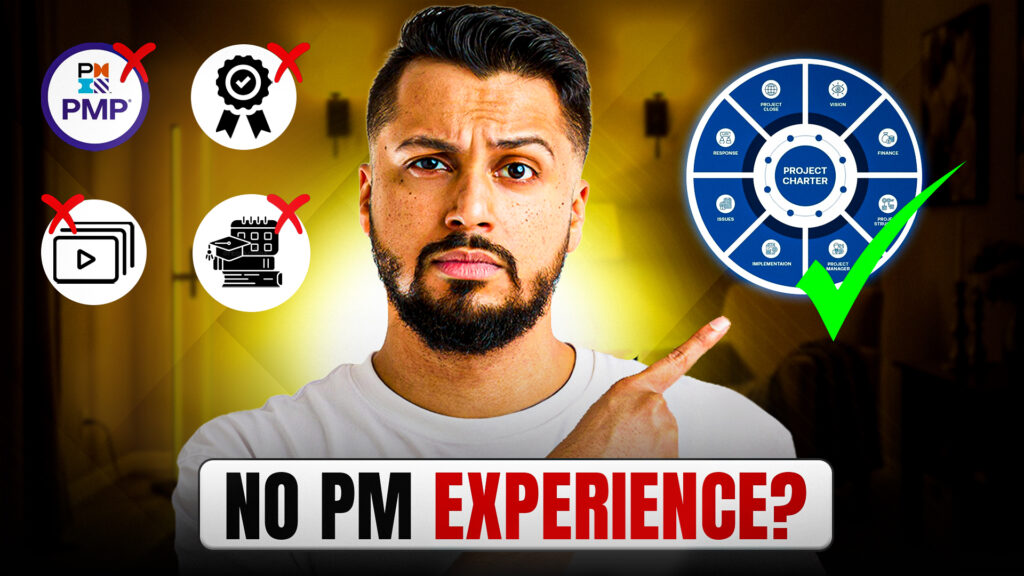
Notice what’s NOT on this list: PMP certification, PM software proficiency, or a PM job title. Experience is about what you’ve done, not what you’re called.
PM Experience Examples From Non-PM Roles
From Operations / Admin
- “Led the office relocation project for 150+ employees across 3 floors, coordinating vendors, IT infrastructure, and business continuity planning. Delivered on schedule with zero business disruption.”
- “Managed the implementation of a new inventory management system across 4 warehouse locations, including vendor coordination, user training, and go-live support.”
From Customer Service / Account Management
- “Managed onboarding projects for 20+ enterprise clients, coordinating internal teams (engineering, design, support) to deliver custom implementations within 30-day SLAs.”
- “Led the resolution of a critical service outage affecting 500+ customers, coordinating across engineering, communications, and executive stakeholders. Restored service in 4 hours.”
From Teaching / Education
- “Designed and delivered a year-long curriculum for 120 students, managing timelines, resource constraints, stakeholder communication (parents, admin), and adapting scope based on student performance data.”
- “Coordinated a school-wide technology rollout: 500 devices, 40 classrooms, vendor management, training schedule, and budget tracking.”
From Military
- “Planned and executed logistical operations for a 200-person unit deployment, managing timelines, resource allocation, risk mitigation, and multi-stakeholder coordination under strict constraints.”
From Project Coordinator
- “Managed project scheduling, RAID log maintenance, and weekly status reporting for a $2M IT infrastructure upgrade. Independently handled vendor communication and change request documentation.”
How to Translate Your Experience Into PM Language
| What You Did | How to Say It on a PM Resume |
|---|---|
| Managed client accounts | Managed stakeholder relationships across a portfolio of 15+ accounts |
| Coordinated team schedules | Managed resource allocation across cross-functional teams |
| Handled customer complaints | Managed scope changes and stakeholder escalations |
| Organized company events | Delivered projects with fixed deadlines, variable scope, and multiple stakeholder groups |
| Trained new employees | Designed and executed onboarding programs with defined milestones and success metrics |
| Managed a budget | Owned budget forecasting, variance tracking, and cost optimization |
For PM-specific resume templates: the PM Briefcase includes 90+ templates including resume frameworks designed for career changers.
How Simulation Experience Looks on a Resume
If you’ve built experience through project simulations (like the ones inside The Eddie System’s Live PMO), here’s how to position it:
Example resume entry:
Project Manager — The Eddie System Live PMO (2026–Present)
Operated as project manager across multiple enterprise IT simulations within a structured PMO environment. Delivered PMO-grade deliverables through formal phase gate reviews.
• Managed a SAP SuccessFactors implementation simulation: defined scope, built project plan, tracked risks and dependencies, presented to steering committee
• Produced professional deliverables: project charters, RAID logs, schedules, status reports, closure documentation
• Completed 4+ full project lifecycles across different IT domains (ERP, cloud migration, SaaS implementation)
This is defensible because it describes real work you did — decisions you made, deliverables you produced, and accountability you held. You can explore the simulation catalog to see the types of projects available.
Read more: How to Get Real PM Experience (Even Without a PM Job)
Frequently Asked Questions
Can I put simulation experience on my resume?
Yes. List it as a training/professional development entry, similar to how you would list a bootcamp or professional program. Describe the real work you did, not just that you “attended.”
What if I have zero relevant experience?
Start building it now. Join a structured PM training environment, volunteer for a non-profit project, or lead an initiative in your current role. You can build resume-worthy experience in 4-8 weeks.
How many PM experience bullet points do I need?
For each role, aim for 3-5 bullet points that demonstrate PM competencies. Focus on outcomes and decisions, not just tasks.
Need real PM experience to put on your resume? The Eddie System gives you a live PMO with 27+ project simulations where you build the kind of stories hiring managers want to hear.